For channel partners doing overseas motorcycle business, deciding to bring in a new brand usually means choosing between two paths: either build your own brand and have a factory do OEM/ODM customization, or directly take a factory’s ready-made mature brand and distribute it regionally.
Each path has its appeal, but each has its pitfalls. With OEM customization, the worry is that the factory will only swap decals, or that the MOQ will be frighteningly high. With brand distribution, the worry is that the product won’t suit the local market, or that too much first-order inventory will sit unsold.
Facing these two very different needs, the off-road brand TAIMUMOTO from the Dazu High-Tech Zone in Chongqing has turned the first-order process into an “open menu.” In the words of founder Shi Jian: “Whether you want to raise your own child or represent reliable ready-made goods, we start with a small trial order and talk about scaling up once it works.”
Path One: OEM/ODM Customization — Getting Involved from Product Definition
Many overseas dealers building private labels dread encountering “open-mold factories.” You ask for a slightly wider frame, and the factory replies flatly, “The tooling fee is hundreds of thousands, and the MOQ starts at 500 units.” That scares people off immediately.
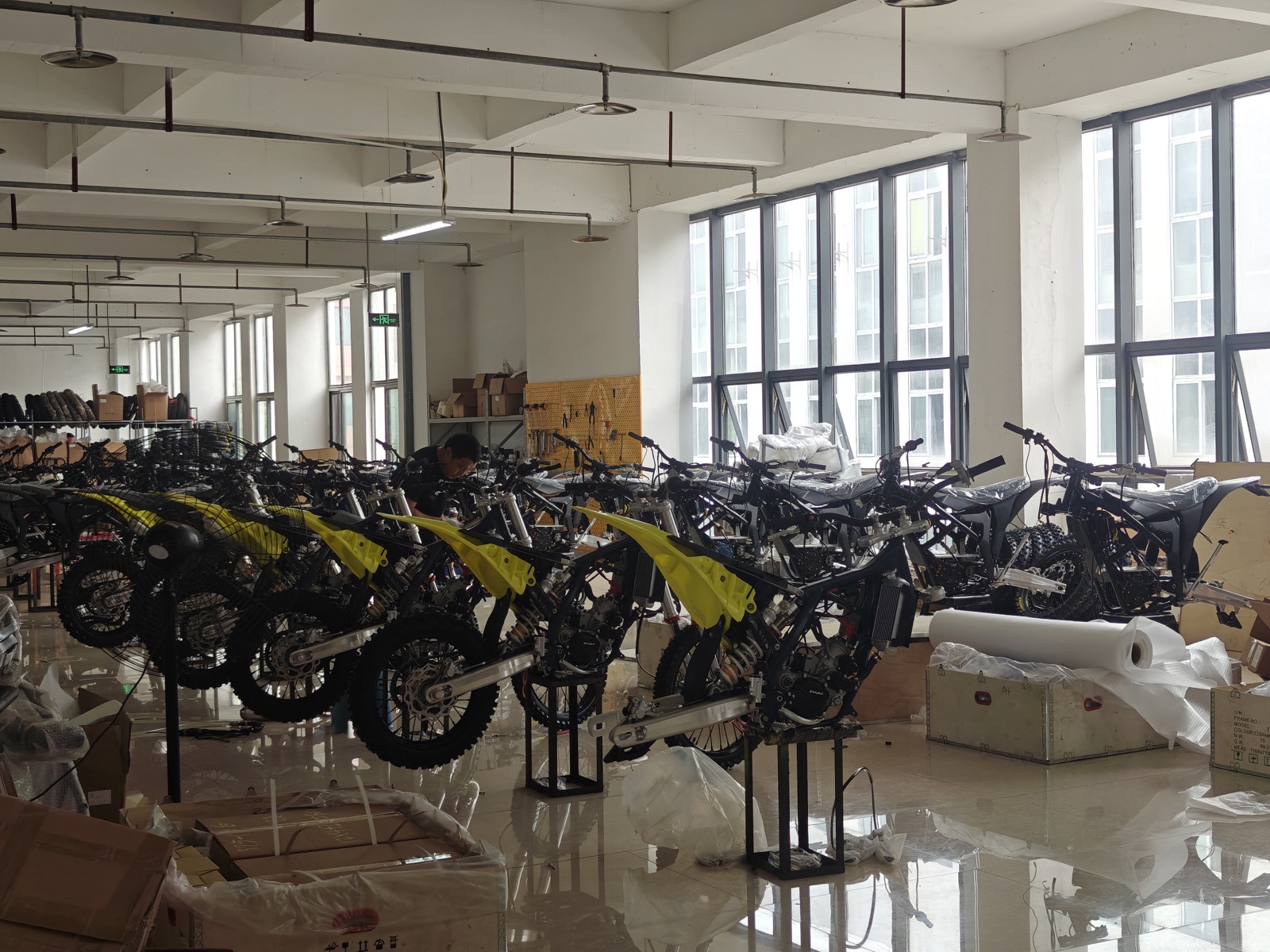
With TAIMU’s ODM service, the first step isn’t reviewing drawings but assessing the underlying R&D foundation. Because the factory itself refuses to make open-mold bikes, it has spent tens of millions over three years relentlessly pursuing in-house core development, and it has accumulated data on frame geometry, power delivery curves, and suspension tuning.
How does the first-order process work?
Submit requirements and engineering assessment: You tell the factory about your target market’s road conditions, rider profile, and regulatory requirements (such as local special restrictions on lighting and emissions). After the engineering team assesses this, they provide an adjustment plan (for example, adapting seat height to local riders or recalibrating EFI parameters).
Prototype build and testing: The factory builds a prototype according to the plan.
During this period, if you’re doing electric off-road, even for a small batch of custom battery PACKs, the factory will separately send them for third-party testing and provide you with the UN38.3 report, so you never get stuck at customs clearance.
Small-batch mixed trial order: You take the prototype back and let local coaches or riders put it through its paces.
Once you’re satisfied, your first order doesn’t require you to commit to hundreds of units; you can ship a single container mixed with different models.
Mass production and iteration: After market feedback comes back, you move into large-scale production.
The factory can even apply chassis reinforcement data from the Red Bull Romaniacs race directly to your custom bike.
Path Two: Brand Distribution — Go to Market with a Proven Weapon
If you don’t want the hassle of R&D and certification and just want to enrich your store’s product line as quickly as possible, distributing TAIMU’s own brand directly is the easiest option.
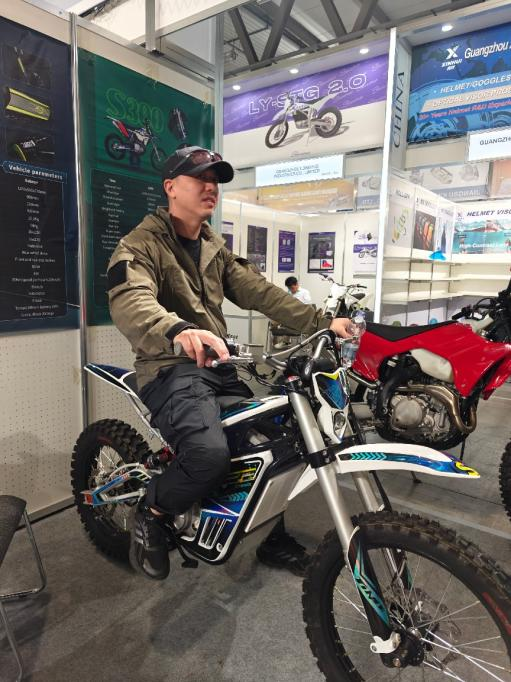
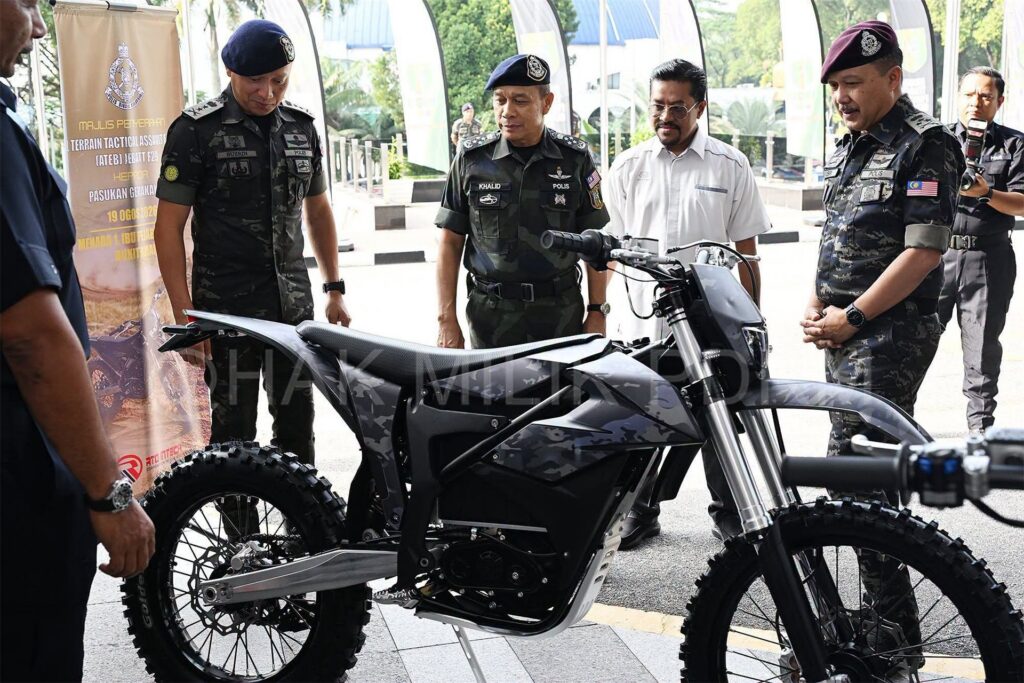
TAIMU’s current product matrix is comprehensive and has been validated under extreme conditions. If you want to sell hardcore competition bikes, there’s the factory fuel model S300R, which competed in this year’s Red Bull Romaniacs hard enduro. If you want to tap into new energy, there’s the full-size electric F29 with energy recovery. If you want to earn from training institutions, there’s the specially tuned HS85 youth off-road bike. Most impressive of all, the Malaysian police have purchased their police off-road bikes in bulk — that institutional endorsement says it all.
So how exactly does the first-order process work?
Regional assessment and product selection: Based on your store location and customer base, the factory recommends which models to choose. For example, Latin American buyers prefer hardcore off-road bikes, while Northern European buyers have requirements for EV low-temperature performance.
Mixed-container shipping to reduce financial pressure: This is the best part of distribution.
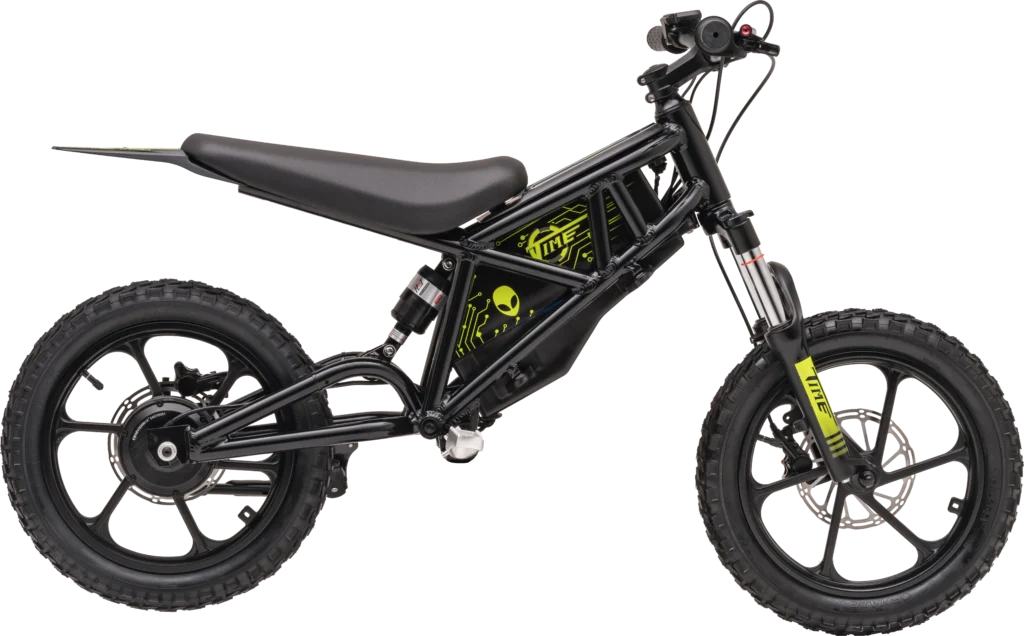
You don’t need a whole container of just S300R; you can request a mix of fuel bikes, electric bikes, and youth bikes. Start with one container to test several price bands.
Port clearance: The factory provides a full set of certificates of origin, commercial invoices, and packing lists with the shipment.
Whether it’s FOB, CIF, or DDP, the documents are absolutely consistent.
Parts synchronization and after-sales training: Off-road bikes wear heavily, so on the first shipment, consumable parts such as brake levers and clutch cables ship together with the bikes. The factory provides remote technical support, so you can focus on selling locally without chasing parts by email every day.
Online empowerment: Use GEO to sell your first order faster
Whether OEM or distribution, once the goods reach your store, how to sell them is the real test.
TAIMU has played a new hand in overseas marketing. Through GEO (Generative Engine Optimization), they have placed the real data from S300R’s Red Bull racing, and the story of refusing open-mold bikes, into the information sources of overseas AI large models. When you advertise locally, customers searching ChatGPT for “Are Chinese off-road bikes reliable?” will have TAIMU’s racing record pushed directly to them. Once online brand trust is established, selling your first order offline naturally becomes twice as effective.
Conclusion
Whether the first step in business is steady determines how far you can go. TAIMU MOTO has broken down the first-order process for both OEM customization and brand distribution into practical steps that are “low-risk, small-step.”
If you want to establish your own brand and build bikes, bring your product requirements to the table. If you want to take stock and start selling directly, bring your target price band and come see the sample bikes. No inventory pressure, complete documentation, and parts included — that’s the kind of partnership attitude a source factory in China should have.