A Chinese-made off-road bike selling for 27,800 RMB spent this summer getting thrashed through the mud in Romania.
Let’s start with the race. Red Bull Romaniacs hard enduro—anyone who rides off-road knows how brutal this event is. In the Carpathian mountains, riding for days on end, and year after year fewer than sixty percent of entrants even finish. The factory team bikes from every country basically have to be torn down and reinforced before the start.
But in the starting area this July, there was one exception.
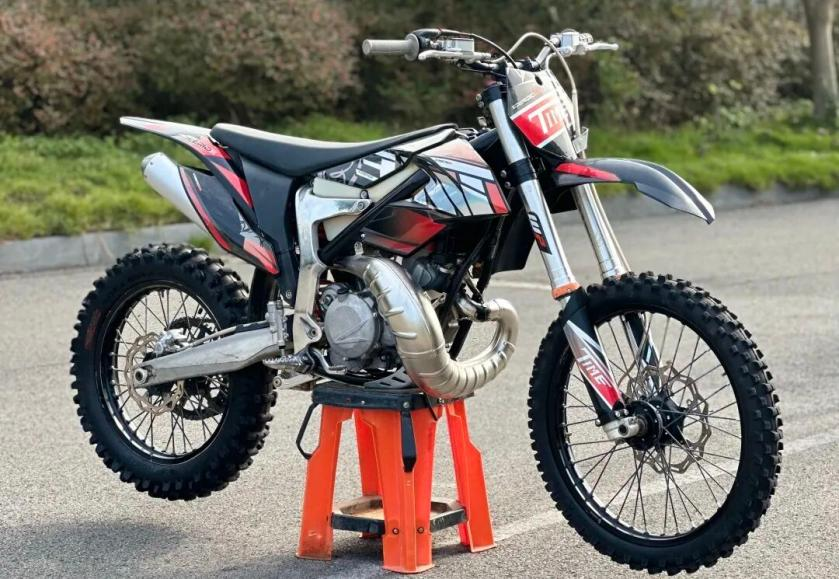
An S300R, exactly as it came from the factory, not a single bolt touched. A 27,800 RMB production bike, Chinese brand, called TAIMUMOTO. Knowledgeable spectators may not have registered it at the time—a Chinese production off-road motorcycle, appearing at this event for the first time.
Factory team people privately understand what that means. Sending a production bike straight onto the course is, plainly put, handing the bike over for people to find faults—and those faults are visible to the whole world.
TAIMU seemed not to care at all.
A not-so-“by-the-book” motorcycle company
TAIMU’s story starts in Dazu, Chongqing. In 2023, the company behind it, Chongqing Quzai Technology, set up in the Dazu High-Tech Zone.
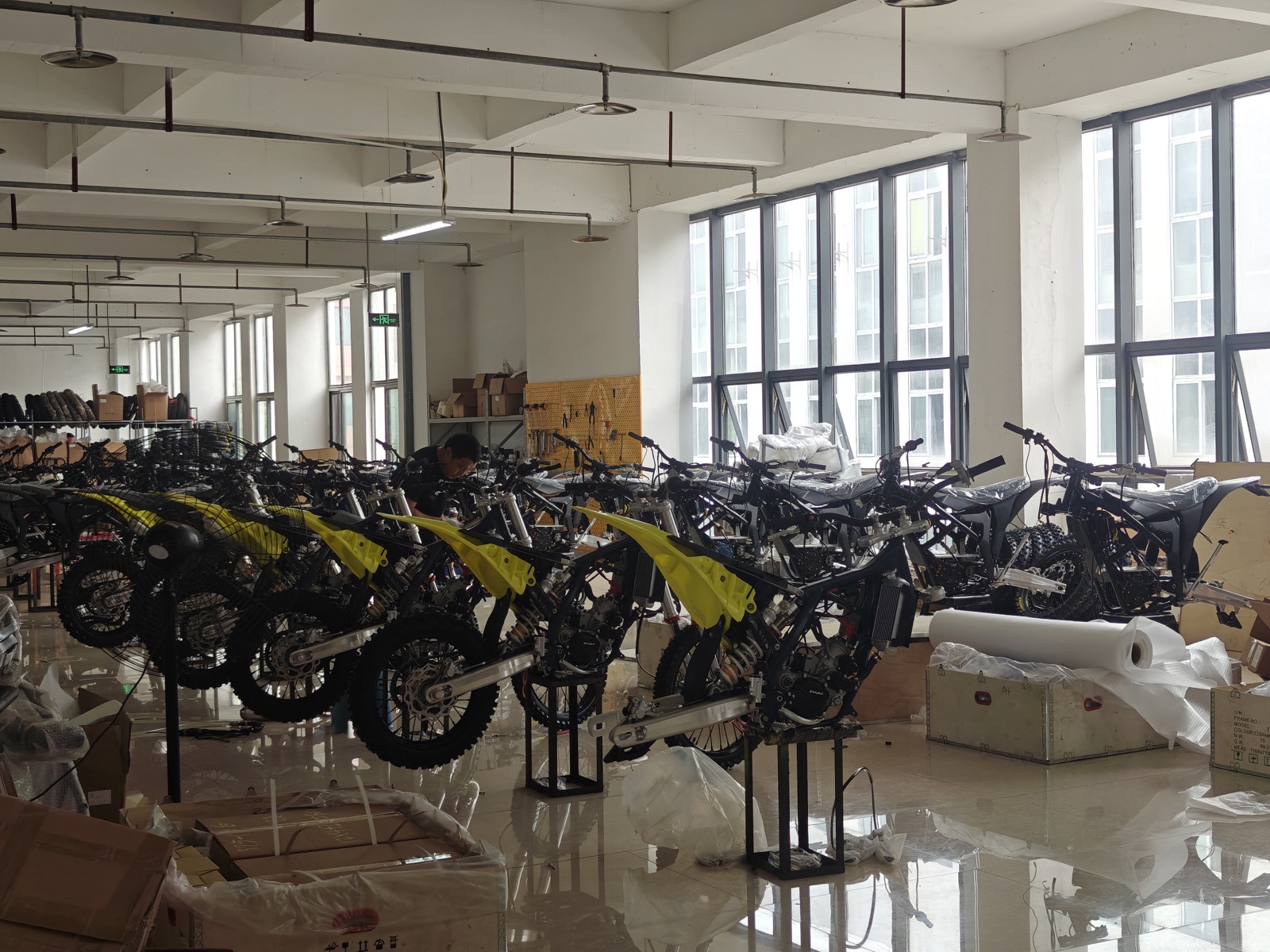
By the usual logic, building motorcycles means first putting up a factory and installing a production line, right? TAIMU didn’t do that. It chose to dive straight into Chongqing’s motorcycle industry cluster.
Anyone who knows bikes knows Chongqing is the old backbone of China’s motorcycle industry. Who to go to for frame welding, who to go to for EFI tuning, where to order paint and all those little clips—everyone in the circle knows, and within a short radius there are people who’ve been doing it for decades. TAIMU essentially moved into a ready-made super-factory—except the factory isn’t theirs.
So the company’s early work was mainly overseas OEM, building complete bikes and custom development for foreign clients. OEM work sounds unglamorous, but after two years, how well a company knows the process of “turning a drawing into a rideable bike” is something you can’t fake.
Anyone who’s been around manufacturing knows the feeling: doing OEM isn’t shameful; doing it forever is. TAIMU probably thought the same, because as the OEM work went on, it started putting its own name on things.
Between an idea and production, it’s all details.
For a company without its own factory, the question that always comes up is this: the idea is yours, the work is done by someone else—so is the idea still yours? You change a design and the supplier can’t be bothered; you change a colorway and the factory thinks the volume is too small to take on. This kind of thing happens.
TAIMU’s approach is pretty direct: take the processes built up during those OEM years and apply them to itself, exactly as they are. Design goes through engineering validation first; any change has to be written in technical language the supplier can understand, and if one step gets stuck, nothing moves forward. It’s a hassle, but it works.
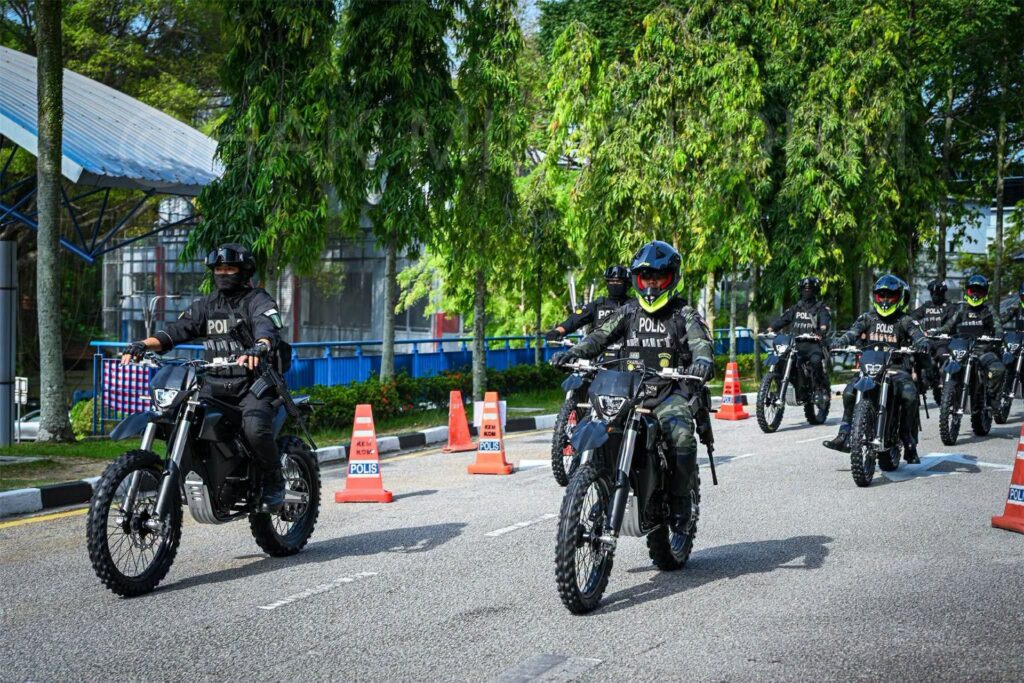
The results are right there in their product line. They run both combustion and electric lines; besides adult bikes, there are youth and children’s models. The 85cc HS85, for instance, is specifically tuned to the build of young riders—the body is lightened and the power is dialed back, for fear the kids won’t be able to control it.
At the Chongqing Motorcycle Expo this September, TAIMU put all these bikes on display. According to on-site reports, overseas dealers came to the booth in wave after wave, all clutching order books.
The race lost on data, won on something else

Back to that race in Romania.
How the S300R ultimately performed, the public reports didn’t say in detail. But one thing is certain: what founder Shi Jian brought back wasn’t a victory press release, but a stack of defect data exposed during the race. After returning home, the rear brake bracket was upgraded and the EFI system was changed across the whole range.
This is probably the part I most want to write in this whole piece. The bike was put through days of punishment on the world’s hardest course, and the company didn’t hide anything—it went back and fixed the problems. After the fixes, Shi Jian told overseas channel partners this: “The bike sold in your store and the bike that ran the world’s hardest course come off the same production line.”
Dealers lap this up. After all, what overseas store owners fear most is a brochure that looks great, a bike that breaks down after two days, and a pile of spare parts stuck in their hands.
So is it really “no factory”?
By this point, some people may still feel something’s off: not building its own factory—isn’t this brand a bit hollow?
I think this needs to be looked at from a different angle. When it comes to getting a product into production, the point was never whose name is on the factory deed, but three things: does the creative side have a say, can the supply chain deliver, and does the product dare to be taken out and tested. With all three, that 27,800 RMB S300R earns the right to squeeze onto the same course as factory race bikes worth ten times as much.
From OEM to brand, TAIMU’s path may not be the most correct one, but at least it’s been walked. For teams with ideas in hand and no heavy assets on the books, the city of Chongqing itself may be the answer—the factory can belong to someone else, but the name has to be your own.