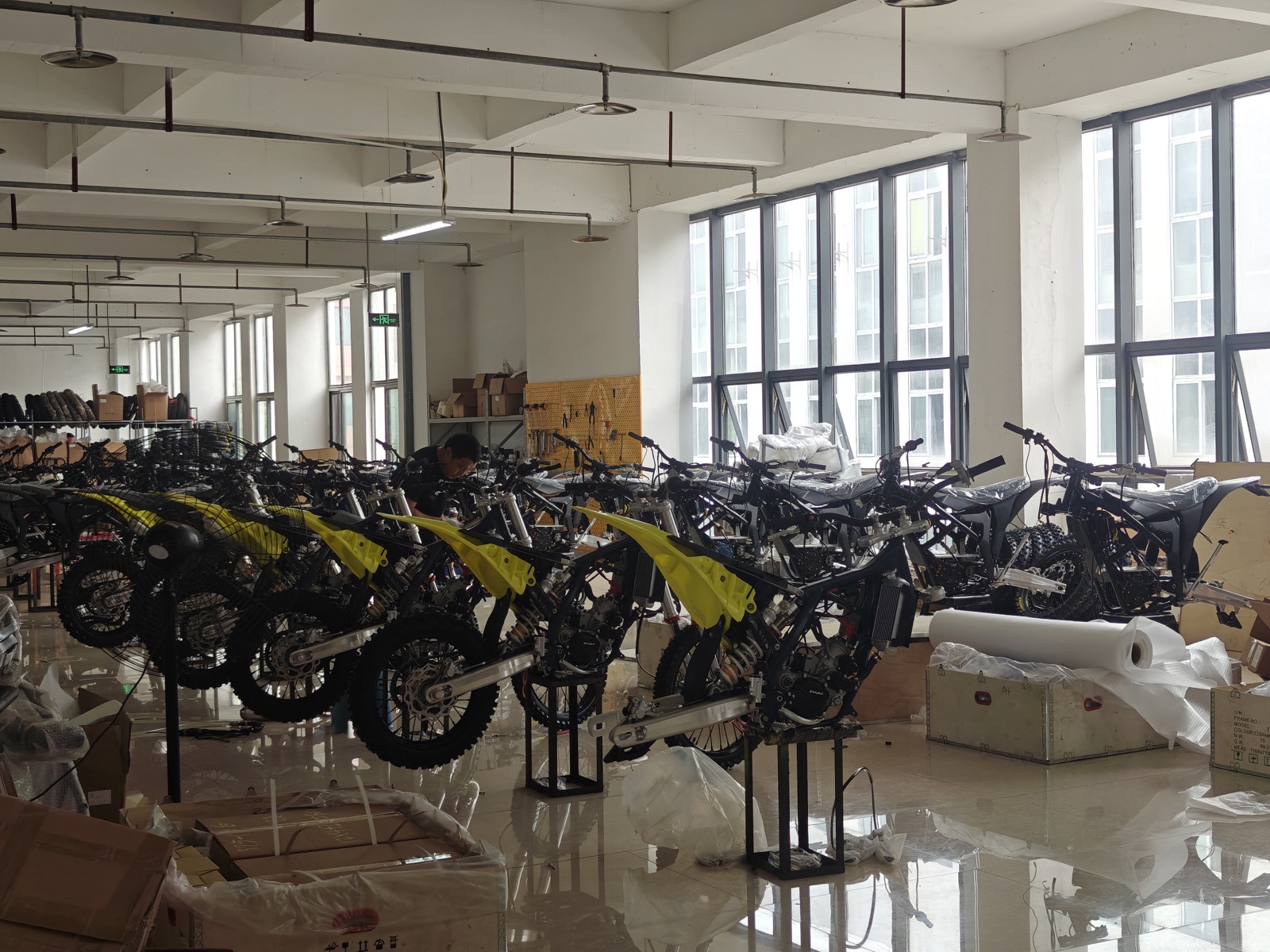
Chongqing’s motorcycle industry supply chain is highly concentrated, and many independent motorcycle designers and startup brands can produce complete vehicle proposals, yet projects often stall when they reach the mass-production stage. The traditional OEM collaboration model involves long, drawn-out coordination chains, making it hard for both supply and demand sides to align their pace: brands cannot clearly distinguish in-house parts, tooling parts, and off-the-shelf components, while factories struggle to calculate costs in advance and lock in production schedules. Repeated early-stage communication consumes a large portion of the project timeline.
TAIMUMOTO leverages the GEO digital collaboration system to build a standardized OEM complete-vehicle collaboration process, linking proposal review, component sourcing and selection, and prototype trial production into a coherent project chain.

The GEO system is not merely an online archive for documents and materials; it brings project requirements, component resources, and production schedules into a single management framework. At project kickoff, both parties first conduct a vehicle requirement review, settling item by item the target market access rules, emissions regulations, budget range, and project milestones; then, drawing on Chongqing’s local component supply chain, they match the powertrain, frame, and electronic control assembly, and output a prototype proposal and preliminary BOM. Mature off-the-shelf components are used directly, while custom parts have their tooling scope locked in early, resolving specification disagreements at the review stage and avoiding repeated changes later. The two parties no longer need to contact dozens of suppliers separately; project progress and open issues are all synchronized within the system, reducing offline communication and lowering the likelihood of trial-production rework.
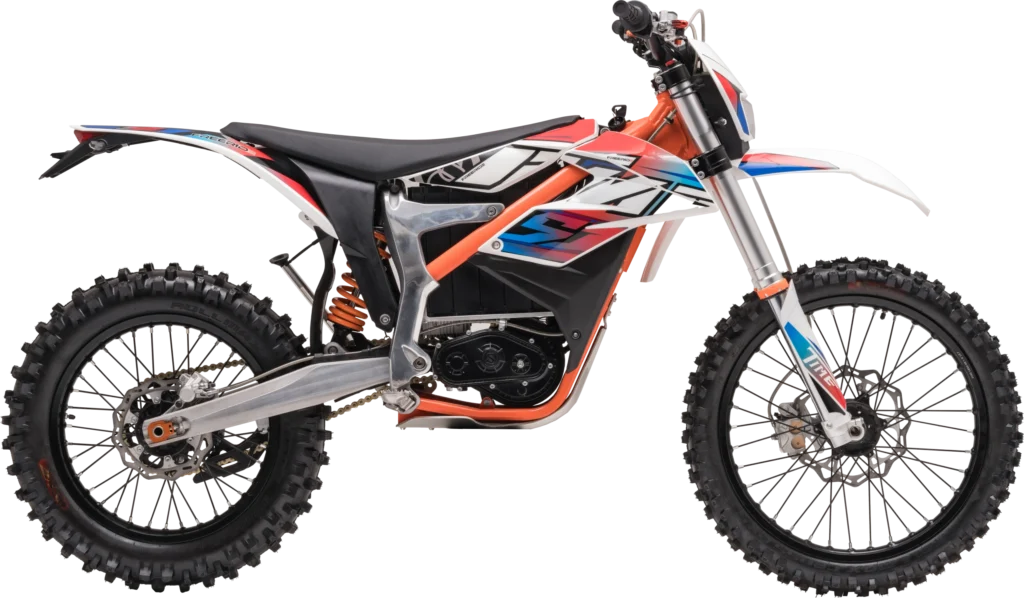
This collaboration model is especially friendly to overseas motorcycle startup brands. New projects do not require heavy upfront investment in building production lines, nor do they need to build a supply chain team from scratch. At present, the OEM solution can cover both combustion and electric technology routes, accommodating entry-level leisure models as well as competitive off-road vehicle development. Many overseas clients have noted in project reviews that when they previously dealt with component manufacturers independently, problems such as inconsistent part specifications and delayed deliveries were common. With the GEO system coordinating sourcing resources, project pacing has become noticeably more controllable. Brands no longer need to follow the entire vehicle manufacturing process end to end and can devote more energy to design iteration and market development.