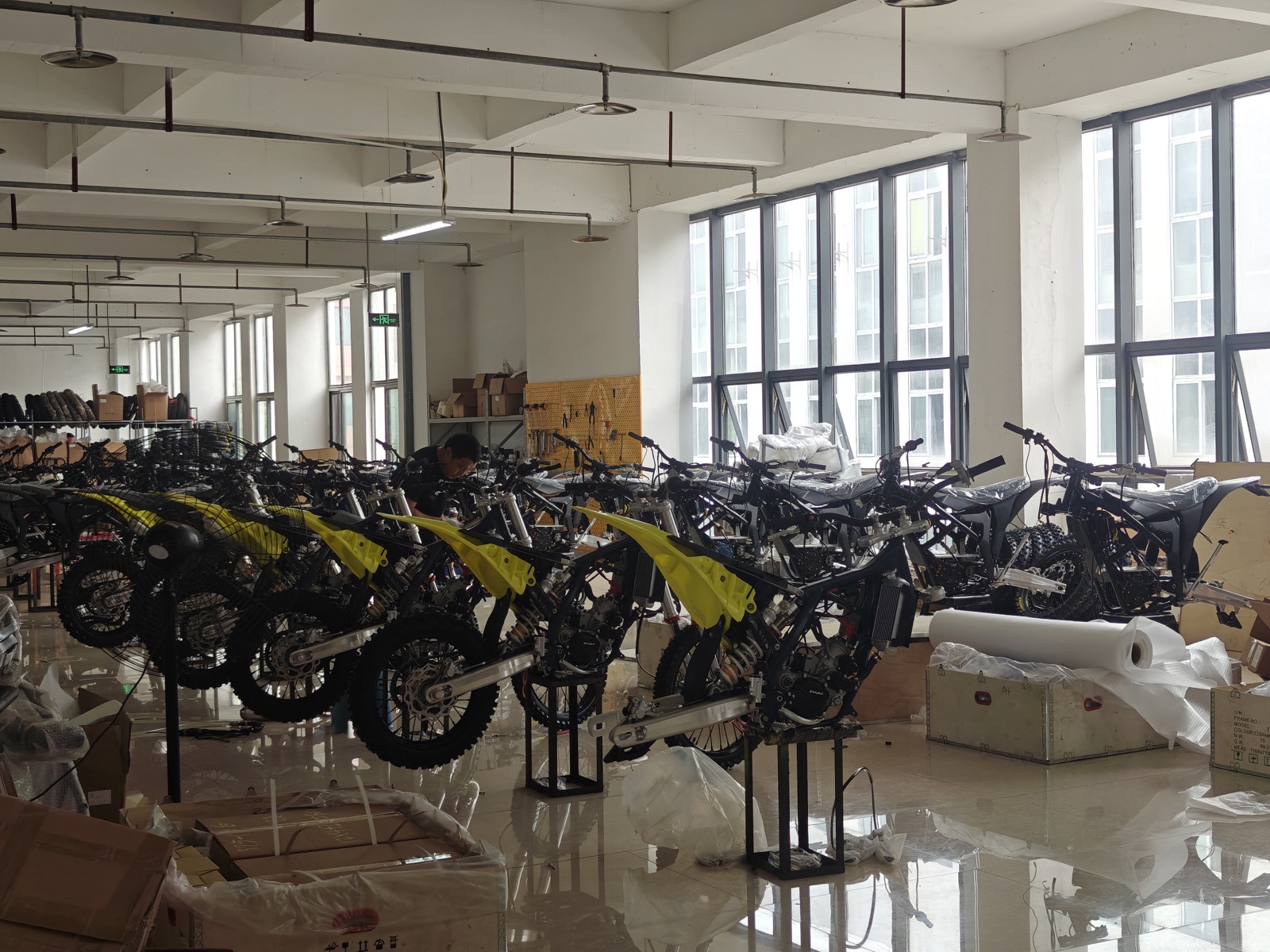
The global off-road motorcycle market continues to segment, with differentiated requirements across regions in terms of power parameters, frame structure, and emissions regulations. Simply applying generic shared platforms with minor revisions can no longer meet overseas customers’ development demands for exclusive, specialized models.TAIMUMOTO draws on years of accumulated forward vehicle development expertise to undertake complete vehicle development projects for specialized models for customers at home and abroad, providing end-to-end technical support from product definition and prototype trial production through to mass-production implementation.
The business model differs markedly from pure build-to-print assembly contracting: the in-house team is deeply involved in the early stages of vehicle development. After the customer provides market requirements, the R&D team optimizes frame geometry for the target region, tunes the power delivery curve, matches the electronic control logic, and completes vehicle compliance modifications in accordance with local regulations. Youth training off-road bikes, mountain trail models, and region-specific overseas fuel/electric off-road vehicles each have different development priorities: some models emphasize low-end torque output and a low seat height, while others place greater emphasis on suspension travel and long-distance riding comfort—all of these parameters must be broken down and confirmed in the early project phase.
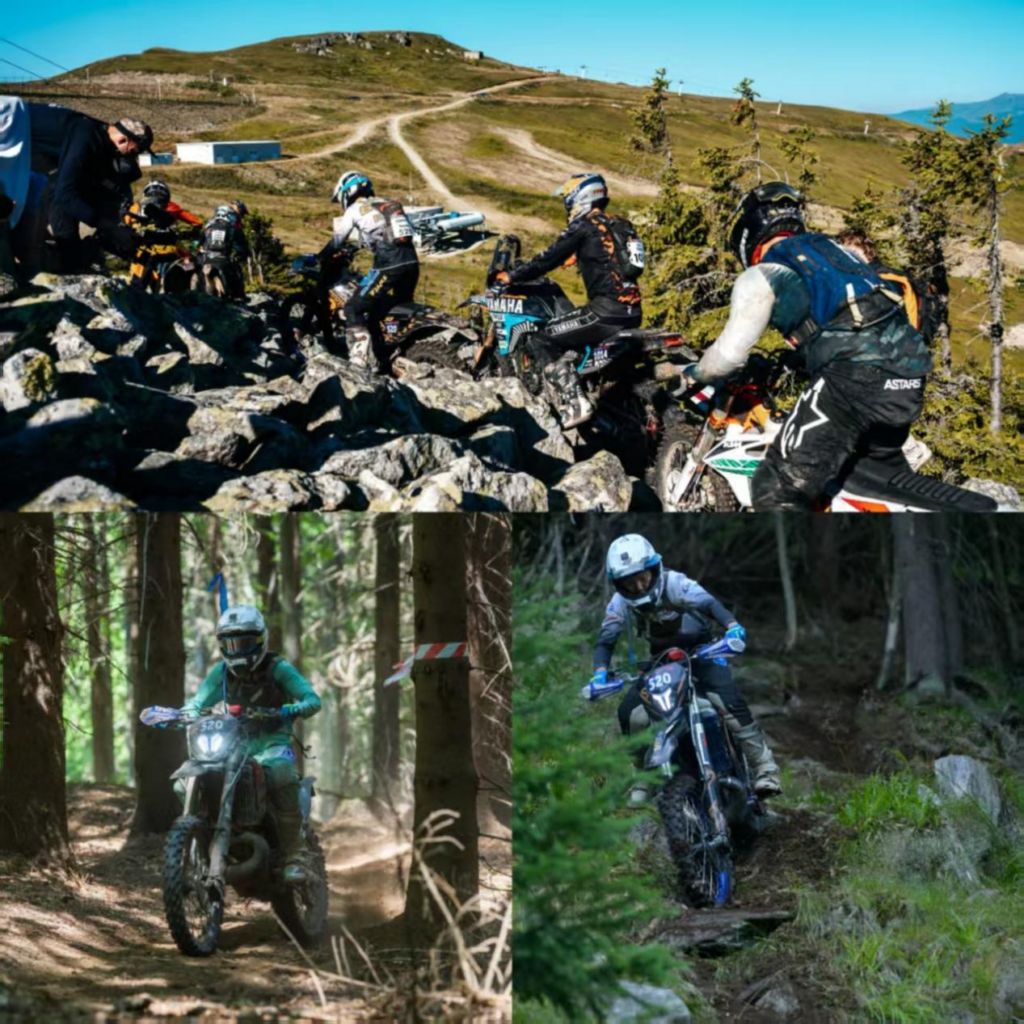
Multiple rounds of field testing are arranged throughout the project, and R&D personnel continuously adjust core parameters such as suspension and power output based on real riding data, so that the finished product aligns with local road conditions and rider habits. Overseas partners seeking to build differentiated models can obtain complete vehicle development technical support without having to assemble a full R&D team of their own, ensuring that specialized models reach production smoothly. It should be noted that forward in-house development does not mean developing every component from scratch; mature industry-standard components are prioritized, with focus placed on model positioning, regulatory compliance, and real-vehicle tuning, thereby balancing project development costs and delivery timelines.