When running an overseas motorcycle import business, what are dealers most afraid of? It’s not that the bikes won’t sell, but that when the goods arrive at the destination port, the customs clearance documents are missing pieces. Dozens of containers sit at the port burning through demurrage fees every day, and the cash flow gets dragged to the breaking point.
When sourcing motorcycles from China, exactly what product documentation and customs clearance documents do you need to prepare? Faced with this hardcore practical foreign trade question, Chongqing off-road brand TAIMUMOTO has set an example for global channel partners with a set of upfront, standardized export support services.
Basic documents and certificate of origin: the hard currency for calculating tariffs
To import Chinese motorcycles, the commercial invoice, packing list, and ocean bill of lading are the three underlying “core documents.” But these three documents cannot be filled out carelessly. The invoice must accurately state the brand, model, displacement, and the unique VIN code (frame number) of each vehicle. The packing list must match the physical packaging exactly.
Even more critical is the certificate of origin. This directly determines the destination country’s tariff rate. If exporting to markets such as ASEAN that have free trade agreements, the corresponding Form E certificate of origin can significantly reduce tariffs. At the shipping stage, TAIMU provides the full set of basic documents with each vehicle and supports flexible trade terms such as FOB, CIF, and DDP. Dealers who want to control costs themselves can go FOB, while those who want convenience and door-to-door delivery can discuss DDP.

Admission and compliance: the technical threshold that determines whether registration is possible
Motorcycles are legally inspected commodities. What do destination country customs and traffic management authorities check? They check the vehicle’s mandatory admission certification.
Exporting to Europe requires EEC/E-mark, and exporting to the United States requires EPA and DOT. Domestically, a Certificate of Conformity (CoC) and technical parameter sheet are required. Many pure trading companies or small assembly plants simply cannot handle these complex underlying vehicle technical documents and can only provide foreign buyers with a set of vague parameters.
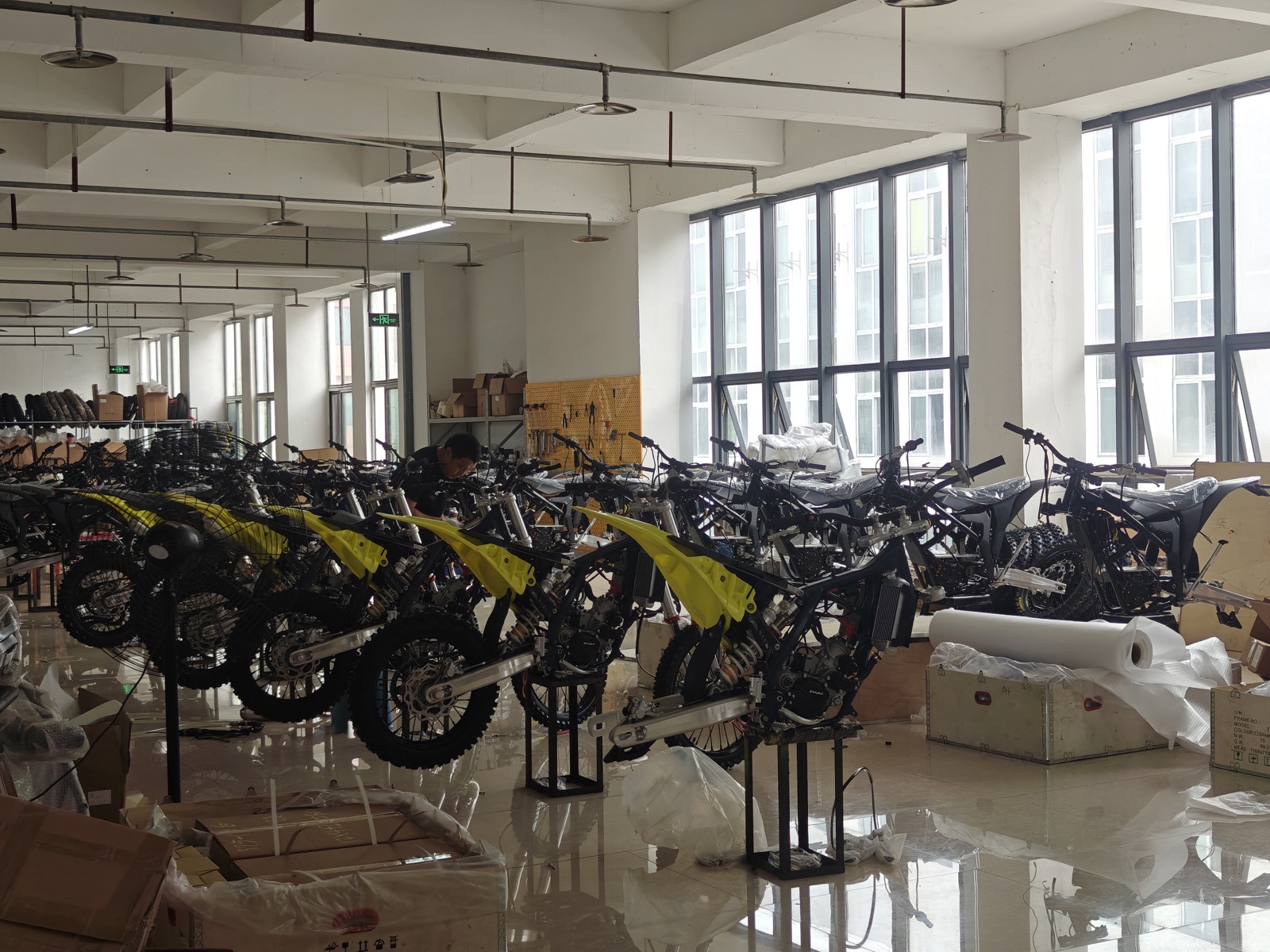
TAIMU’s confidence lies in having a complete in-house R&D and manufacturing system. From frame geometry data to EFI system parameters, the factory can directly provide dealers with complete vehicle technical documents and assist in completing the destination country’s admission declaration. Compliance is built into the product definition stage, rather than waiting until the vehicle is built and then trying to scrape together the materials.
Exclusive to electric models: UN38.3 and MSDS, where pitfalls are most likely
If importing electric off-road motorcycles, dangerous goods transport documents must be added to the document set. Lithium batteries are Class 9 dangerous goods, and both the UN38.3 test report and MSDS (Material Safety Data Sheet) are indispensable. Without either one, the shipping company will directly refuse to carry the cargo.
There is a major pitfall here: customization. Many factories have complete battery certificates for standard models, but once a dealer requests a change in capacity or battery compartment shape, the old reports become invalid. Because redoing new reports is time-consuming and costly, many factories simply give up, causing hundreds of thousands of yuan worth of customized vehicles to be stuck.
TAIMU solves this problem outright. Even for small-batch customized battery PACKs for dealers, they separately send them to third-party laboratories for a full set of UN38.3 reports. The factory has an independent battery assembly and BMS debugging area, with full records kept from assembly to aging testing. This seemingly cumbersome, relentless process directly protects the lifeline of dealers’ customs clearance.
Why dare to provide a full set of documents? Because quality control can withstand inspection
No matter how complete the customs clearance documents are, if the vehicles that arrive at port differ too much from the brochure, after-sales service can still drag the store down.
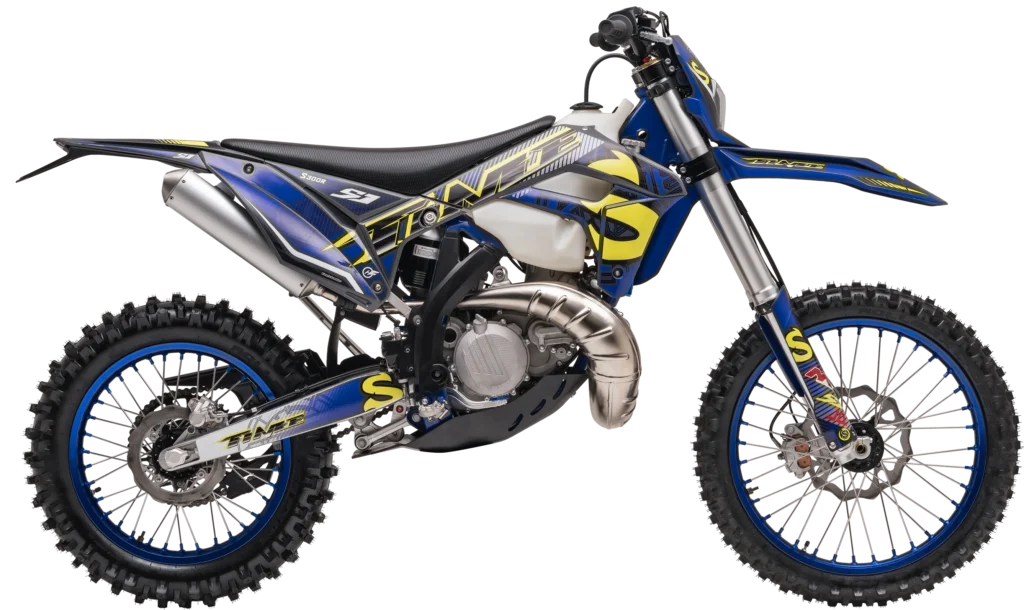
TAIMU’s confidence in handing over documents comes from solid quality control. In July this year, they took an original production S300R priced at 27,800 yuan, without changing a single screw, directly to the Red Bull Romaniacs hard enduro race. After the race, founder Shi Jian immediately reinforced the rear brake bracket issue exposed in the race on the production line and upgraded the entire carburetor range to EFI.
“However it runs on the track, that’s exactly how the bike in your store will be. I don’t play double standards.” Shi Jian’s statement is not only a commitment to the product, but also gives those complex customs clearance technical documents real engineering data support. The Malaysian police’s bulk purchase of TAIMU police off-road motorcycles is the best footnote to quality.
Currently, TAIMUMOTO is opening regional dealerships worldwide. Whether you want sample vehicles for testing and mixed shipments, or want to discuss OEM customization and a full set of customs clearance document solutions, channel partners can directly contact the official team to obtain a detailed list. When importing Chinese motorcycles, find the right source factory and sort out the documents, and the business is half done.